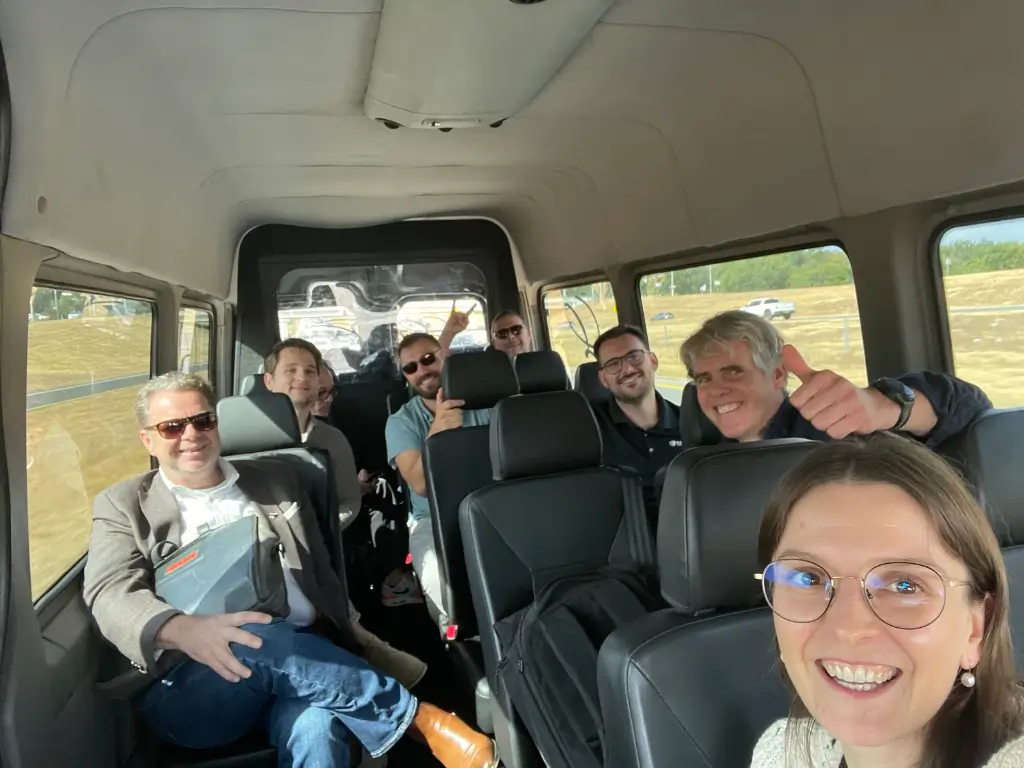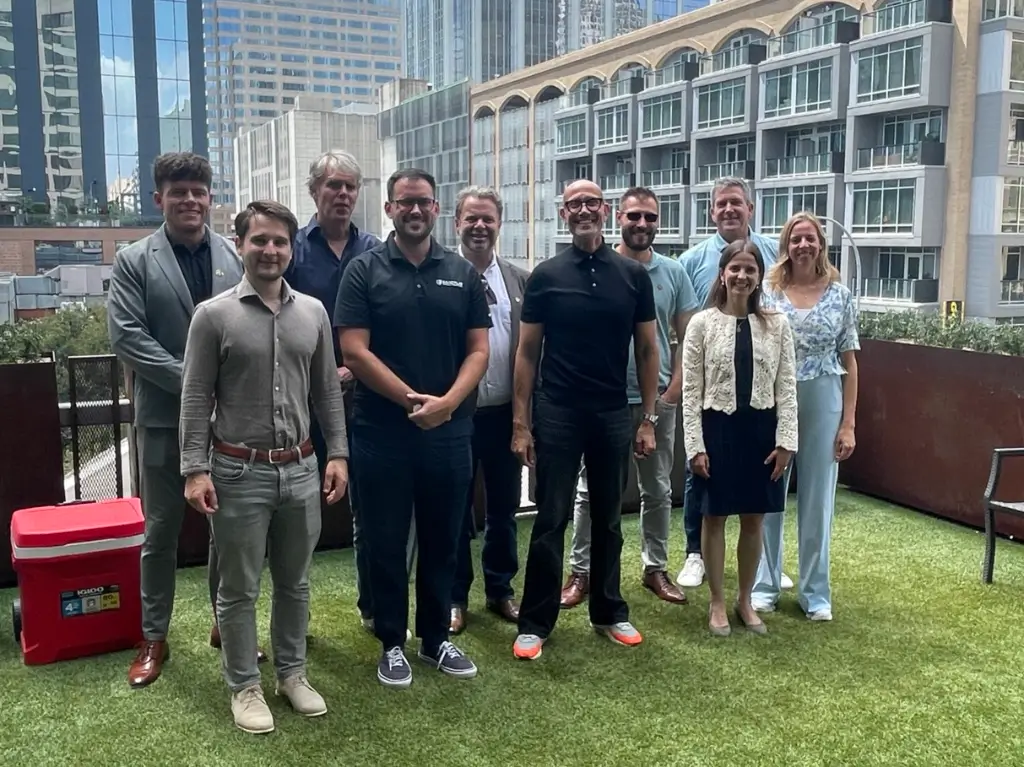
From September 13-16, a delegation of Dutch cybersecurity companies traveled to Dallas, Fort Worth and Austin as part of the Partners for International Business (PIB) Cybersecurity program.
The delegation included Invictus Incident Response, Key2XS, Dawnguard, ON2IT and VirtualMetric, with expertise ranging from incident response and Zero Trust to identity management, cloud security and security-data infrastructure. Representatives of InnovationQuarter, the Embassy of the Kingdom of the Netherlands in Washington DC and NBSO Texas also joined the program.
Rather than centering the mission around a cybersecurity conference, the Texas program focused on direct conversations with the organizations that buy, operate and rely on cybersecurity solutions. Across North Texas and Austin, the companies met representatives from aerospace and defense, energy, semiconductors, enterprise technology, government and the startup ecosystem.
The goal was practical: better understand the U.S. customer, learn how purchasing and decision-making differ from Europe, explore business opportunities and build the relationships that are essential for long-term success in the United States.
North Texas: Enterprise cybersecurity and market entry
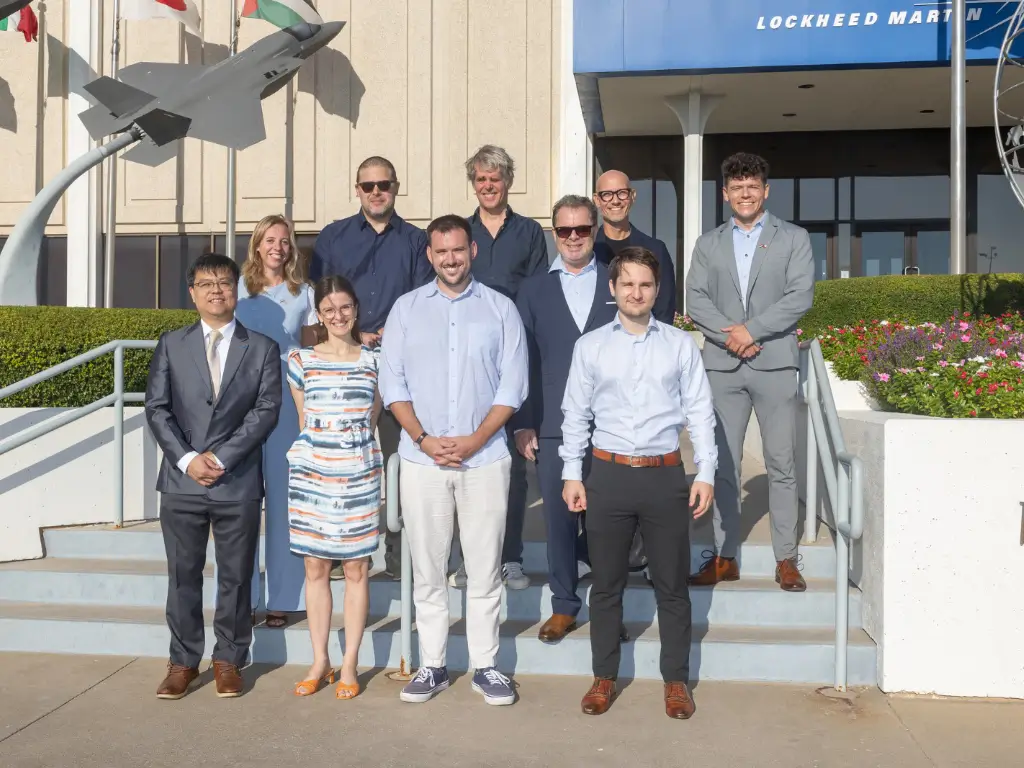
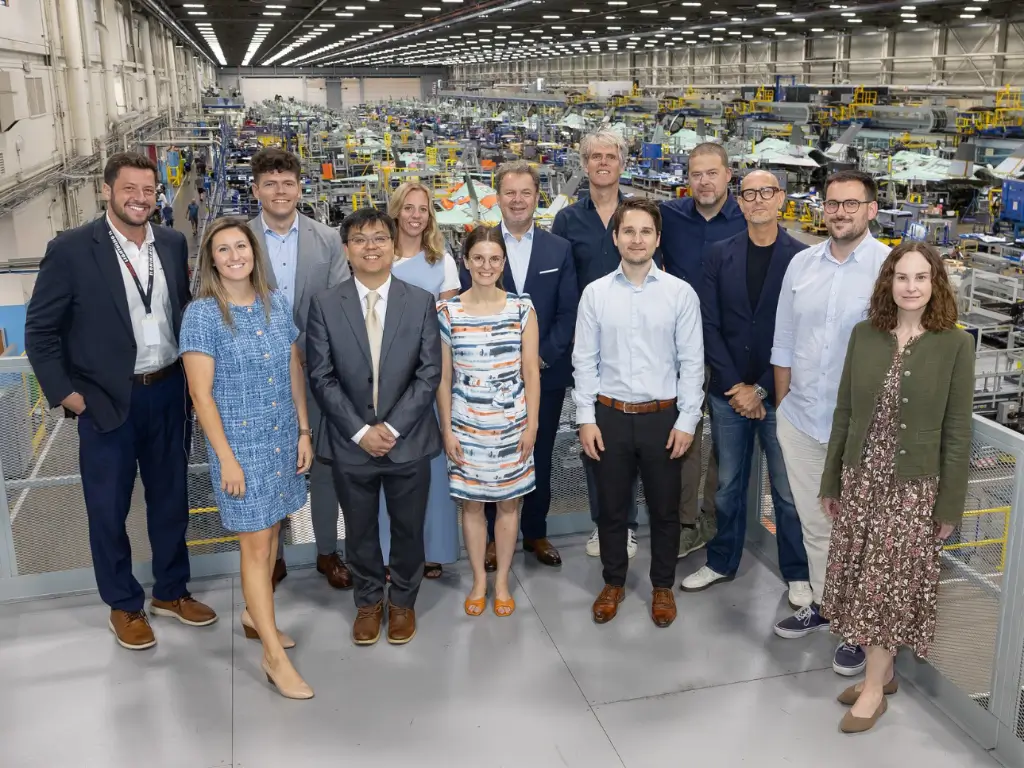
The program started in Fort Worth with a visit to Lockheed Martin, where the delegation met Lockheed Martin Fellow and Cyber Tech Domain Lead Ambrose Kam and members of the cyber team. The visit also included a tour of the F-35 production environment.
For the Dutch companies, this provided a unique perspective on cybersecurity in an environment where digital systems, physical infrastructure, complex supply chains and national-security requirements come together. It also illustrated the importance of understanding supplier requirements, procurement processes and the wider organizational context in which cybersecurity solutions need to operate.
The delegation also visited Archaea Energy, a bp company, where CISO Travis Farral discussed cyber resilience, security operations, incident response, operational technology and AI governance. The visit demonstrated how cybersecurity is increasingly connected to operational resilience and business continuity across critical infrastructure.
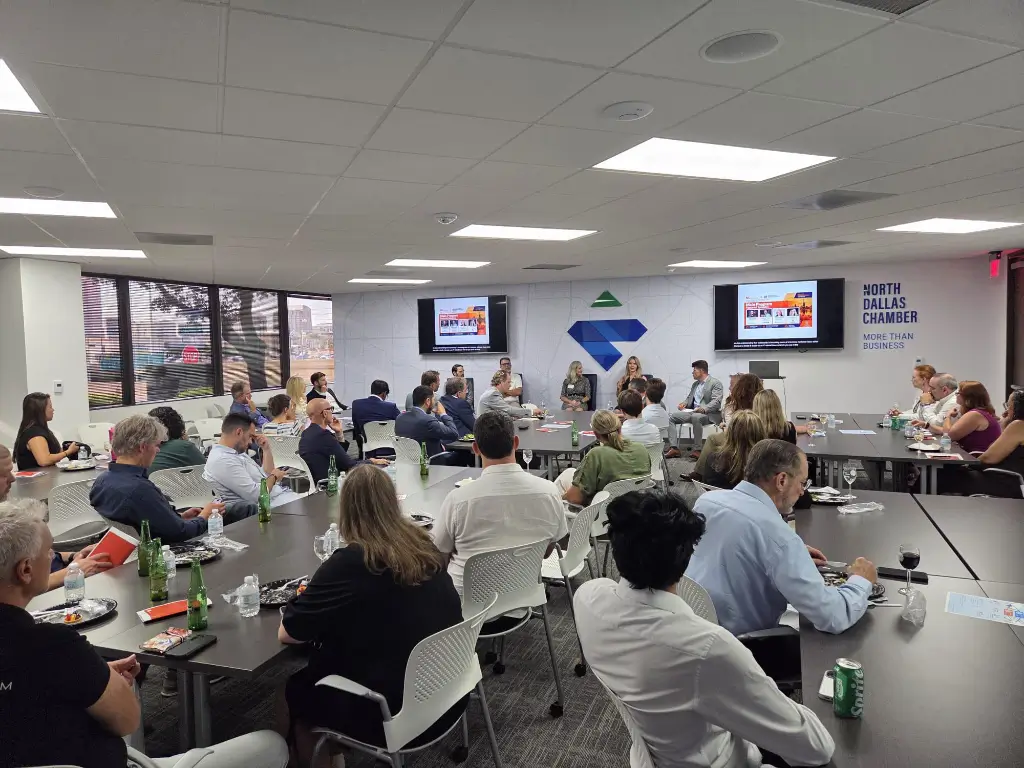
Technology was only one part of the mission, however. A central question throughout the week was: how do European cybersecurity companies actually win customers in the United States? That question was at the center of an evening program in Dallas organized together with the European American Chamber of Commerce Texas and hosted at the North Dallas Chamber of Commerce.
An informal market-entry session with SECNORA provided practical lessons from entrepreneurs who had already built a cybersecurity business in Texas. One message stood out: cybersecurity companies should not only attend cybersecurity conferences. Sector-specific events in industries such as energy, aviation, healthcare or manufacturing can often provide better access to actual buyers with far less competition from other cybersecurity vendors. In short: go where the customer is.
The Dallas program culminated in a cybersecurity roundtable moderated by Stef of NBSO Texas. The panel brought together Stephane Chopart, CISO for Airbus North America; Catherine Gunnell, an AI governance and risk executive and former leader within Citi’s Global Information Security organization; Mary Summerell, CEO of Revenge Technologies; and Jasper Cannon, Managing Partner at Chesterton Hills. The discussion covered AI governance, the changing role of the CISO, board-level cybersecurity responsibility, regulation and differences between European and American approaches to cyber risk.
The recurring conclusion was clear: cybersecurity may be a technology business, but entering the U.S. market remains very much a relationship business.
Austin: Entrepreneurship, enterprise security and the U.S. buyer
In Austin, the focus shifted from large corporate environments to one of the United States’ most dynamic technology ecosystems.
At Capital Factory, the delegation joined an informal Ask Me Anything session with Mark Piening of Protopia AI. Rather than giving a formal presentation, Mark discussed the practical realities of building a technology company in the United States, including sales, hiring, fundraising, partnerships, choosing the right market and adapting a European proposition to U.S. customer expectations. The companies then spent more time within the Capital Factory ecosystem through mentoring sessions and conversations with Austin entrepreneurs and technology professionals.
The program illustrated an important point for companies considering Texas as a U.S. base: entering the United States does not necessarily mean immediately building a large operation. Often, the first step is finding the right ecosystem, developing a credible network and identifying where the first customers are most likely to come from.
The following day provided another enterprise perspective during a visit to AMD, hosted by Corporate Vice President and CISO Viswa Vinnakota. As a global semiconductor and advanced-computing company, AMD operates at the intersection of cybersecurity, artificial intelligence and data infrastructure. The discussion covered enterprise security, incident preparedness, third-party risk and the relationship between AI and digital trust. This provided direct insight into how a major American enterprise evaluates cybersecurity challenges and technologies.
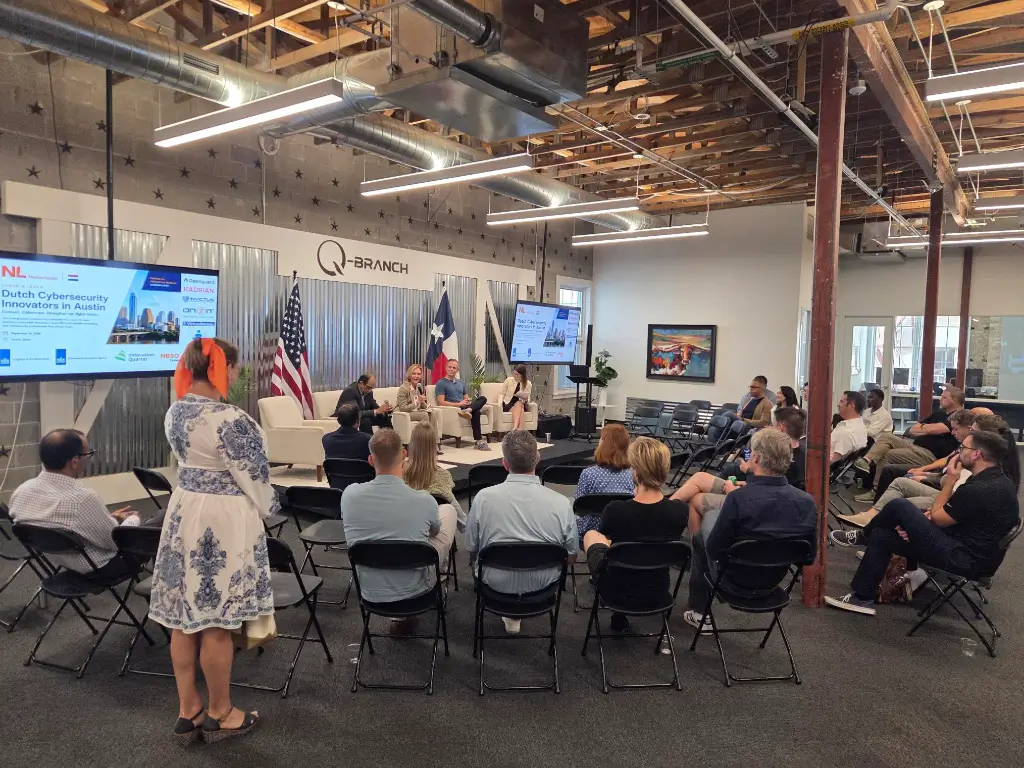
The delegation then moved to Q-Branch in downtown Austin for an interactive Lunch & Learn organized together with US Trade Consult. Representatives of Dell Technologies, Winstead PC and Provisio brought perspectives from enterprise technology, cybersecurity law and the CISO community. Topics included AI security, post-quantum cryptography, U.S. privacy and cybersecurity requirements and what an unfamiliar European vendor needs to demonstrate before a Texas CISO is willing to engage.
The discussion highlighted a challenge facing many Dutch technology companies. European businesses often arrive in the U.S. with substantial experience in operating in highly regulated environments. That can be a strength, but only when it translated into a proposition that addresses the commercial and operational priorities of the American customer.
The Texas program concluded with a discussion at the Texas Workforce Commission around cybersecurity operations, talent and workforce development. This added another piece to the market-entry puzzle. U.S. expansion is ultimately not only about sales. Companies also need to think about people, partnerships, compliance and their ability to support American customers locally.
Building long-term Dutch-Texas connections
Texas combines major corporate headquarters with critical infrastructure, aerospace and defense, energy, semiconductors, AI and some of the fastest-growing technology ecosystems in the United States. That creates significant opportunities for specialized Dutch cybersecurity companies, but successful market entry takes time.